Walk into any supermarket and you'll find dozens of "antibacterial" sprays and wipes. Walk into a professional cleaning supplier and you'll find TGA-approved disinfectants. The difference matters more than you think.
What Does TGA-Approved Mean?
The Therapeutic Goods Administration (TGA) is Australia's regulatory body for therapeutic goods, including disinfectants. A TGA-approved disinfectant has been tested and verified to:
Supermarket antibacterial sprays? They're classified as household products. They don't undergo the same testing, and their claims aren't held to the same standard.
Why It Matters in a Gym
Gym environments present unique challenges:
High Pathogen Load
Sweat, skin cells, respiratory droplets — gyms see more biological contamination per square metre than most commercial spaces. You need products that reliably eliminate pathogens, not just reduce them.
Equipment Compatibility
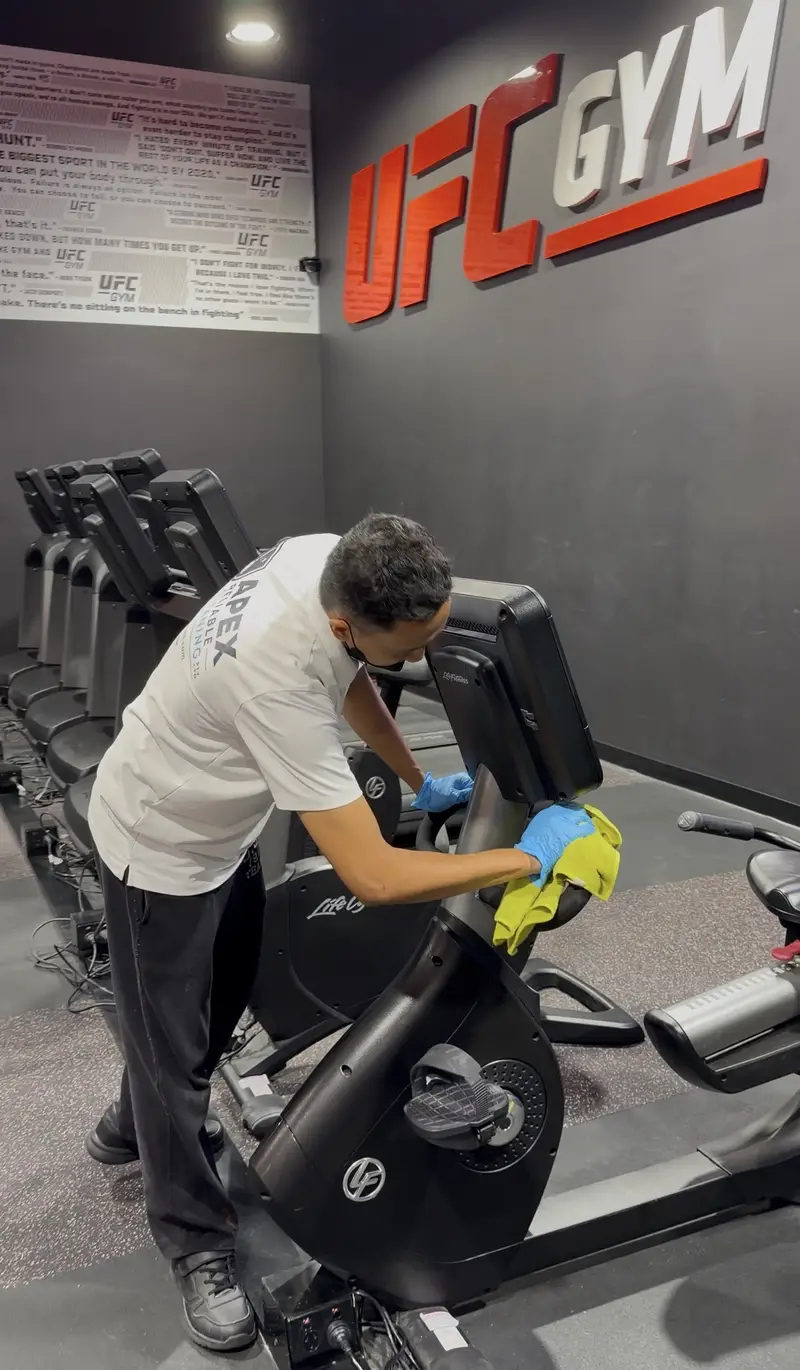
Many commercial disinfectants contain bleach, ammonia, or alcohol concentrations that damage rubber grips, crack vinyl upholstery, and fog display screens. TGA-approved gym-specific products are formulated to be effective without being destructive.
Member Safety
Members have direct skin contact with treated surfaces minutes after cleaning. Hospital-grade products are designed for environments where human contact is immediate — exactly like a gym.
What to Look For
When evaluating your current cleaning setup, ask:
1. Are the products TGA-listed? (Check the ARTG database)
2. What specific organisms do they kill?
3. What is the required contact time?
4. Are they safe for direct skin contact after drying?
5. Will they damage your equipment materials?
If your cleaner can't answer these questions, they're probably using generic products — and your members' health is the gamble.
The Professional Approach
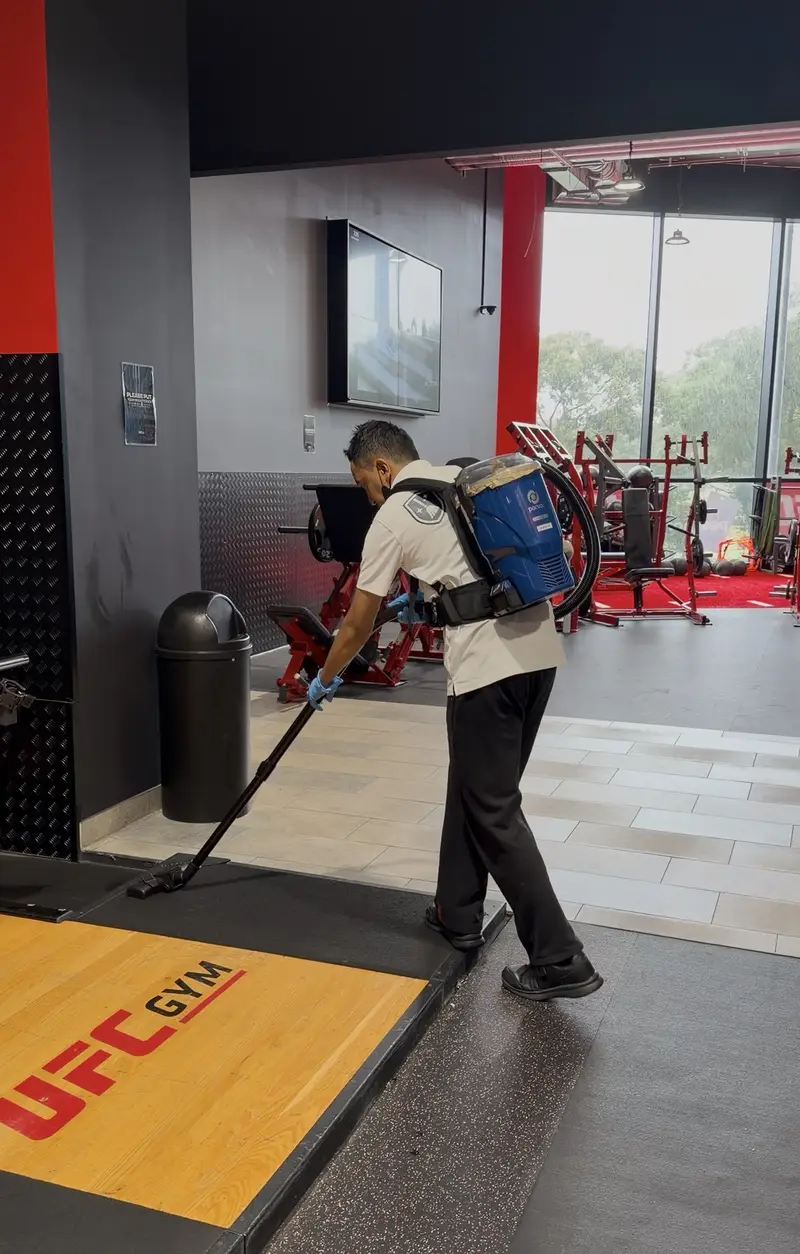
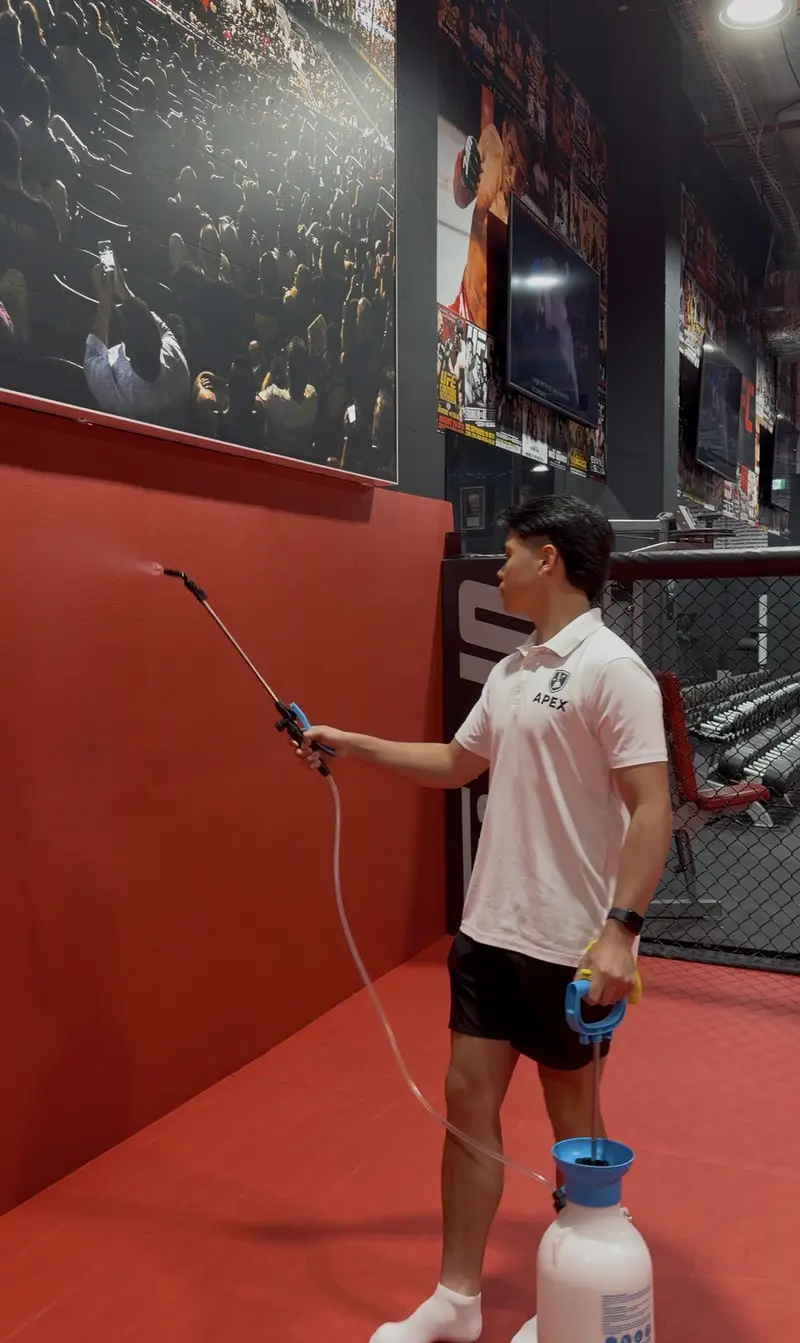
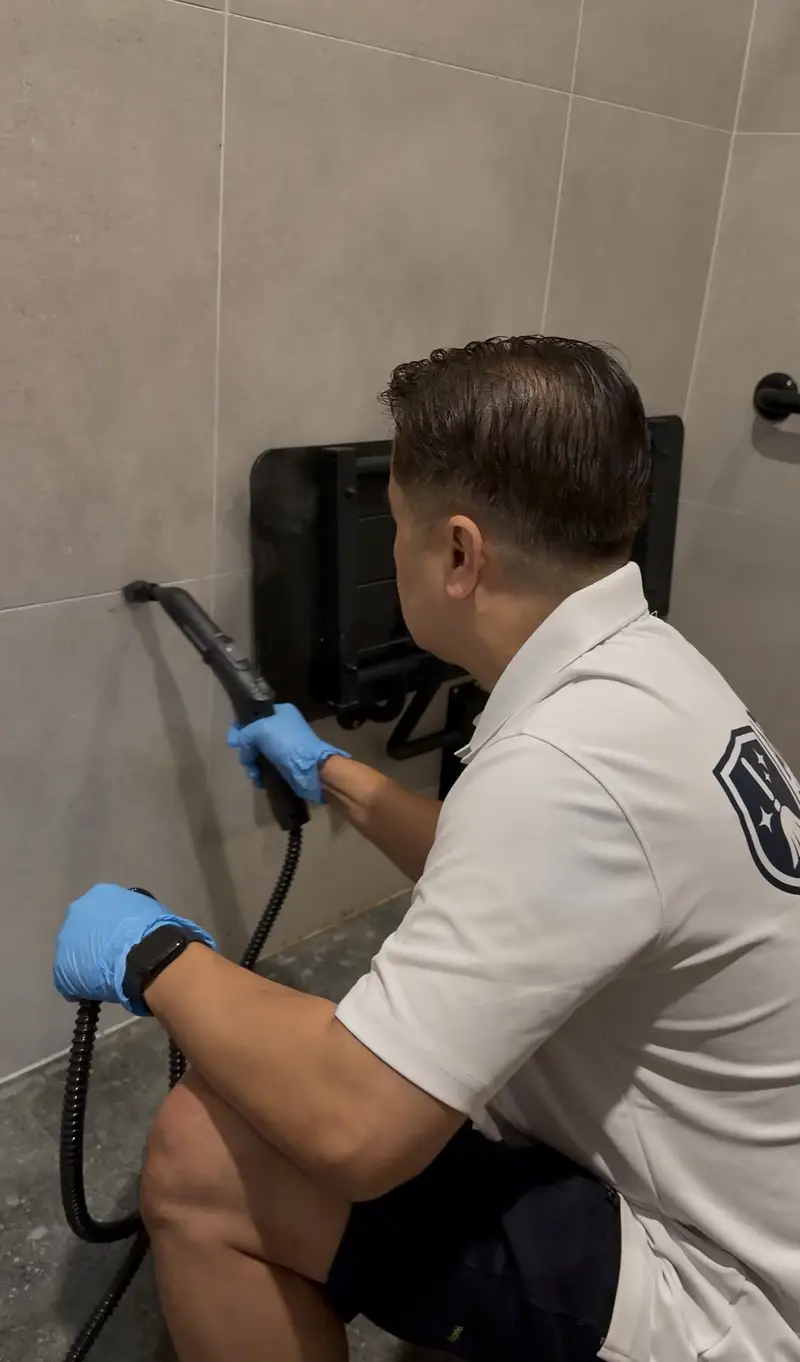
At Apex, we exclusively use TGA-approved, hospital-grade disinfectants selected specifically for fitness environments. We know the contact times, we know the dilution ratios, and we know which products are safe for every type of gym equipment.
Because "antibacterial" isn't good enough when someone's health depends on it.